As a seasoned slot player, I've spent countless hours analysing the workings behind famous games to offer players a genuine edge https://rainbow-riches.eu/. Today, I'm turning my skills to a true icon of the British scene: Rainbow Riches. While we all love its appealing theme, grasping its hit frequency is essential to converting your play from a basic spin to a calculated session. This analysis isn't about promising hard-to-find jackpots; it's about uncovering the curtain on how often you can anticipate winning outcomes to occur. I'll detail what hit frequency means particularly for this Barcrest icon, how it works with the game's famous bonus rounds, and what that actually means for your bankroll. Let's navigate the rainbow together with plain, data-informed expectations.
Final Insights for the Informed Player
Equipped with this analysis, you can now treat Rainbow Riches as more than a game of chance, but as a game with understood mathematical rhythms. Its ~25% hit frequency and medium volatility make it an excellent choice for players seeking fun with controlled risk. Keep in mind, the true charm and profit potential lie in accessing those brilliantly designed bonus rounds. Use the steady hit rate of the base game to your advantage by practising disciplined bankroll management, allowing you to stay in the game long enough for the leprechaun to give you a choice on the Road to Riches. Play within your means, appreciate the iconic soundtrack and visuals, and let the understanding of the game's mechanics deepen your appreciation of this timeless slot classic. May your spins be lucky and your pots be golden.
The impact of bonus features on payout frequency
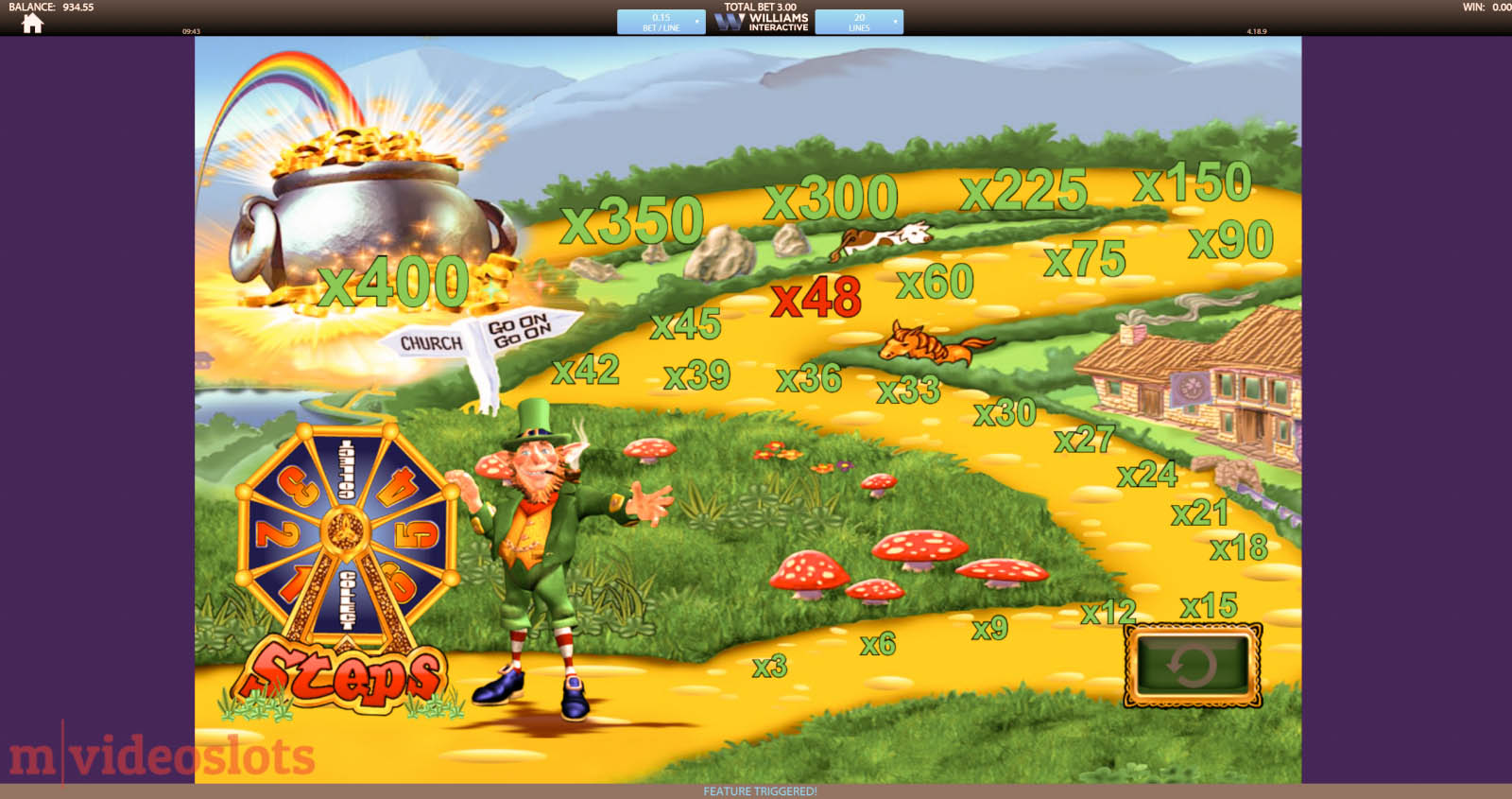
This is where Rainbow Riches really shines. The bonus features—Road to Riches, Wishing Well, and Pots of Gold—are not simply independent rounds; they profoundly affect your effective hit frequency during a play session. While the base game functions at its ~25% frequency, initiating a special round alters the dynamics. These features often have their distinct payout rates and variance. For instance, the Wishing Well selection game can offer a certain multiplier reward, effectively representing a 100% “hit” for that trigger. Therefore, a gaming session where you initiate one or more bonuses will have a much higher overall return than a session confined purely to main game spins.
Feature trigger frequency
Understanding how often the special features themselves appear is a critical part of the evaluation. The scatter symbol (the Rainbow Riches logo) is your key to all three features. Hitting three or more anywhere on the screen triggers the choice of bonus. From my analysis and extensive player data, the trigger frequency for the primary bonus is approximately once every 100 spins on the average. This may appear uncommon, but it's intended to be a big moment. The anticipation mounts during the main game, and when the rainbow finally appears, it provides a intense burst of payout potential. This dual-layer structure—a consistent base game payout rate punctuated by regular bonus surges—is a key reason for the slot's lasting popularity.
In what ways Rainbow Riches Compares to Other Popular UK Slots
When placed alongside other staples in the UK market, Rainbow Riches' hit frequency profile is very distinctive. Compared to high-volatility, low-frequency slots like many NetEnt or Playtech jackpot games, Rainbow Riches provides far more consistent engagement. In comparison with low-volatility, high-frequency slots often found on online casinos (sometimes with hit rates above 30%), Rainbow Riches offers more pronounced peak winning potential through its bonuses. It holds a classic, balanced niche similar to other Barcrest greats. This trustworthy, medium-variance experience is a key reason for its decades-long dominance in pubs, arcades, and online platforms across the UK. It delivers a familiar and trusted rhythm that generations of players have learned to appreciate.
Widespread Misconceptions Regarding Hit Frequency
Many players succumb to traps stemming from misunderstandings of how hit frequency works. One major myth is the “due for a win” fallacy. The RNG has no memory; every spin is independent. Just because you've had 15 losses in a row doesn't make the 16th spin more likely to win. The 25% frequency is an average over millions of spins, not a guarantee per 100. Another misconception is confusing hit frequency with “big win” frequency. Most of those 25% of winning spins will be returns equal to or slightly above your stake. Finally, some believe bonus features affect the immediate next base game spin, which they do not. Each spin, whether in base play or bonus, is a separate, random event. Dispelling these misconceptions promotes a more balanced, more enjoyable gaming mindset.
Game Strategy Based on Hit Frequency
Understanding the hit frequency enables you to develop a more educated plan. For a mid-frequency title like Rainbow Riches, a measured tactic is likely to work best. I advise beginning with a session bankroll that allows for at least 200 spins, which offers you a reasonable chance to experience the game's natural variance and possibly trigger a bonus round. Since wins happen roughly every 4-5 spins, steer clear of the inclination to significantly increase your stake after a short losing streak. The maths are intended to balance out over time. Your primary goal should be to prolong play long enough to take advantage of the bonus features, which are the point at which the most significant profit potential is found. Controlling your money per spin is your most powerful instrument.
Money Management Advice
- Define a Loss Threshold: Before you spin, determine a maximum amount you're ready to lose for that session and follow it strictly.
- Select a Suitable Bet: With a 25% hit rate, your stake should be low enough to endure 20-30 non-winning spins without causing panic or depleting your funds.
- Track Your Spin Outcomes: Silently note the pattern. A cluster of 10 losses in a row is within normal variance; refrain from chasing them by increasing your bet.
- Quit on a High, If Possible: After a solid bonus round win, consider saving a portion of the profit rather than right away re-wagering it all.
Variance and Variance in Rainbow Riches
Integrating the hit frequency and payout structure, Rainbow Riches shows medium volatility. This is the ideal point for many UK players. The game offers a steady stream of small-to-medium wins to keep your balance and periodic bonus features that provide the chance for larger payouts. Manageable variance means extended losing streaks are less common than in high-volatility slots. This balanced gameplay experience doesn't exhaust your funds too quickly but still presents exciting prize potential. This medium volatility is directly linked to that 25% hit frequency. If the hits were more frequent but wins were tiny, volatility would be low. If hits were rare but massive, volatility would be high. Rainbow Riches finds a compelling middle ground.
Rainbow Riches Slot: Core Game Mechanics
Rainbow Riches is considered a standard 5-reel, 3-row video slot with 20 set paylines. Wins are created by landing matching symbols on neighbouring reels starting from the leftmost reel. The charming Irish theme is supported by simple mechanics, making it a enduring favourite in UK arcades and online casinos. The low-value symbols include the classic 10, J, Q, K, and A, adorned with a Celtic twist, while the more valuable symbols are thematic icons like a wishing well and a leprechaun's hat. The leprechaun himself, the wild symbol, stands in for all others except the scatter, which is represented by the Rainbow Riches logo. This basic setup is vital because the hit frequency is calculated across all these possible winning combinations on the base game reels, ahead of we even look at the special features that make this slot legendary.
What is Hit Frequency for Slots work?
Before exploring the pot of gold, let's establish what we're actually measuring. Hit frequency, basically, is the ratio of spins that result in a winning combination of any size. It's a core mathematical metric programmed into the game's Random Number Generator (RNG). If a slot has a hit frequency of 25%, it means in theory, one in every four spins will generate a win. Importantly, this metric says very little about the size of those wins—a return could be your stake back or a multiple of it. It strictly measures how often the reels ‘entertain' you with a positive outcome. This is different from Return to Player (RTP), which is the theoretical percentage of all wagered money a slot pays back over millions of spins. A game can have a high hit frequency with small wins, or a low hit frequency with larger, more volatile payouts.
Its Importance for Your Gameplay
Grasping a game's hit frequency influences your entire approach. For UK players who prefer longer, more engaging sessions without dramatic bankroll swings, a higher hit frequency is often more suitable. It provides a steadier stream of smaller wins, which can help sustain play and keep the experience fun. This frequency directly affects a game's volatility. A high hit frequency typically signals low to medium volatility, meaning wins are frequent but often modest. Conversely, a low hit frequency implies high volatility, where wins are less common but can be sizeable when they land. Knowing this helps you choose a game that matches your personal risk tolerance and playing style, ensuring you're not irritated by long dry spells if you prefer constant action.
Rainbow Riches RTP vs. Hit Frequency
It's essential to distinguish between the game's official RTP (Return to Player) and its payout frequency. Rainbow Riches generally has an RTP of around 95%, which is fairly standard for a standard slot. This figure reflects the long-term long-term percentage of all money wagered that will be given back to players. The hit frequency of ~25% is the engine that produces this RTP. The game returns that 95% not through continuous tiny wins, but through a combination of common small wins and rarer, larger wins from bonuses and high-value symbol combinations. Consider RTP as the *what* (the total amount returned) and hit frequency as part of the *how* (the pattern of returns). A high RTP with a very low hit frequency would mean a very volatile game with large but infrequent payouts.
Examining Rainbow Riches Payout Frequency
What exactly is the real hit frequency for Rainbow Riches? While game providers hardly ever publish exact figures, extensive playthrough data and community analysis consistently point to a hit frequency approximately 23-27%. This puts it solidly in the medium range. In realistic terms, you can anticipate a winning combination of some kind roughly every four to five spins on average. This frequency is designed to produce a engaging active experience. It's important to remember this is a long-term statistical average. In a single session, you could experience clusters of wins followed by longer stretches devoid of a line hit. This inherent variance is why managing your stake per spin is so important, letting you to ride out the natural fluctuations without busting your budget.
How the Paytable Shapes Frequency
The design of the paytable is the blueprint for the hit frequency. Rainbow Riches uses a even distribution of symbols. The larger number of lower-paying card symbols raises the probability of a line hit, adding significantly to that ~25% frequency. That said, the payouts for these regular wins are frequently close to your stake. The higher-value thematic symbols appear less frequently, but when they form part of a winning line, the payout is much substantial. The wild symbol (the leprechaun) is a key element here, as it can finish winning lines you could otherwise have missed, essentially boosting the actual hit frequency you encounter during a session. This blend keeps the base game appearing active while creating anticipation for the more bonus rounds.
A Closer Look at Symbol Distribution
Going deeper, the symbol weighting on the virtual reels is calibrated for balance. The '10' and ‘J' symbols are the most frequent, making short wins (like two or three-of-a-kind) fairly frequent. The ‘A' and the thematic symbols such as the harp or hat have a reduced weighting, implying their appearances are less common but better rewarding. This meticulous distribution guarantees the game reaches its target frequency and RTP. It's a textbook example in classic slot design: delivering enough small wins to sustain momentum, while rendering the bigger wins seem special and earned. For the shrewd player, understanding this pattern aids in forming realistic expectations for what a “winning spin” usually entails in the base game.